
Why does cheap jewelry make my skin itchy, and what should I wear instead?
Ever felt itchy after wearing a new necklace or ring? You're not alone. Cheap jewelry often causes skin irritation, showing up as an itchy, red rash. This is because low-cost metals and finishes are used to keep prices low.

This itchiness is usually contact dermatitis. It's not contagious and rarely dangerous. But, it can be stubborn and distracting. Nickel allergies are a big problem, caused by base metals in many cheap pieces.
This guide will help you spot signs of a metal reaction. You'll learn why plating can fail and how to calm flare-ups safely. We'll also explore better options for sensitive skin, like hypoallergenic and skin-safe jewelry.
For those who want style without the itch, Venus Artisan Jewelry is a great choice. They focus on lasting wear with sterling silver, 18K gold, and natural pearls. They avoid artificial coatings and chemical treatments that can irritate skin.
Why cheap jewellery can cause itchy skin and a red rash
If a new ring or necklace makes you itch, it's real. Cheap jewelry often causes a tight, prickly feeling. This can turn into a red patch where the jewelry sits.
Mass-produced fashion jewelry is often the culprit. Materials and finishes can change from batch to batch. Even if a piece looks smooth, your skin might react to what's underneath.

Contact dermatitis: what’s happening on your skin
Contact dermatitis is the main reason for jewelry rashes. Your immune system sees something on the surface as a threat. This leads to inflammation.
The result is a local rash that can feel hot, stingy, and very itchy. Piercings can make reactions worse because the metal goes through the skin.
Why nickel allergy is the most common trigger in mass-produced fashion jewellery
Nickel allergy is a big problem because nickel is used a lot in cheap jewelry. When this metal touches damp or rubbed skin, it can trigger a reaction.
Other things can also cause skin irritation, like artificial coatings and chemical treatments. Heavy glue used to set stones or seal parts can also be a problem. If you're sensitive or have had many piercings, you're at higher risk.
Why reactions often show up 24–48 hours later (and can linger for weeks)
Many people expect an instant reaction, but jewelry rashes often start 24–48 hours after wear. This delay can make it hard to link the redness to a specific item.
Once you're sensitised, your body can react faster next time. In some cases, the redness and itch can last 2–4 weeks, even after stopping wear.
How sweat, heat and moisture can worsen skin irritation from cheap jewellery
Sweat, heat, and water can make cheap jewelry skin irritation more likely. Moisture softens the skin barrier and helps metals and finishes sit closer to the surface.
This is why problems often show up during workouts, humid days, or under tight areas like watch backs and necklace clasps. Wet metal exposure at work can also increase the chance of a flare.
- Heat and friction can speed up irritation by rubbing the area raw.
- Sweat and moisture can increase transfer from base metals and worn finishes.
- Coatings and residues from artificial coatings and chemical treatments can sting more on damp skin.
Signs your irritation is likely a metal allergy (not “just sensitive skin”)
If your skin reacts every time you wear certain jewellery, it might be a metal allergy. This is important when picking out jewellery for sensitive skin. A true allergy reaction often happens the same way, even if the jewellery looks okay. Nickel allergy is common in cheap or plated jewellery.

Typical symptoms: itching, redness, tenderness, swelling and warmth
The main symptoms are itching/irritation, redness, tenderness, swelling, and warmth where the metal touches. These signs can start off mild but get worse over a couple of days.
Rash “maps” that match the jewellery shape (ring line, necklace line, earring spot)
A rash that matches the jewellery shape is a big clue. For example, a rash from a ring might form a line around your finger. A necklace rash might look like a curved line, and earrings can cause a sore spot that looks like the jewellery.
Piercings can react more because the metal is inside the hole. This can cause more inflammation and make the area feel tight and hot.
When bumps, blisters or dry burn-like patches can occur
Some rashes might look like poison ivy, which can happen if your skin is stressed. In severe cases, you might see bumps, blisters, or fluid. Others might get dry, burn-like patches that hurt when you wash or moisturise.
When a rash may be infected and you should see a dermatologist
Once your skin breaks from scratching, it's easier to get an infection, which is worse with jewellery on. Look out for crusting, yellow colour, weeping, or a strange smell. If it doesn't get better with basic care, see a dermatologist. They can treat it properly and figure out what's causing it.
Base metals, plating, and why “coated” jewellery can irritate
That cheap pair of earrings might look fine, but it can cause itchiness. The problem often lies in the base metals used to save money. Sweat and friction can bring these irritants to the surface, even if the jewellery looks shiny.
Base metals like nickel, brass and copper: why they’re used in cheap jewellery
Low-cost jewellery often uses base metals because they're easy to work with and quick to make in large quantities. Nickel & stainless steel are common in cheap items, and nickel can cause allergic reactions. Stainless steel might also contain nickel, which can irritate sensitive skin.
Brass and copper are also favourites for cheap jewellery. Brass, a mix of copper and zinc, can leave green marks on the skin. If copper bothers you, rose gold alloy can be unpredictable because it often contains copper.
Plated jewellery: how thin plating wears off and exposes the underlying metal
Plated jewellery seems like a good option, but the coating is very thin. Daily wear, hand sanitiser, and sweat can quickly wear it down. When the top layer thins, the skin meets the metal underneath, often brass or copper.
This is why “coated” jewellery isn't always safe for your skin. A necklace might start off okay, but then suddenly cause irritation when the plating wears off at weak points.
Artificial coatings, chemical treatments and heavy glue that can aggravate skin
It's not just the metal that's the problem. Artificial coatings can trap moisture, leading to irritation in humid weather or during exercise. Chemical treatments used to brighten or prevent tarnish can also sting if your skin is already stressed.
Even the glue in settings and backs can be a problem. It can soften with heat and mix with sweat, causing more irritation.
White gold and mixed-metal alloys: why “gold” isn’t always skin-safe
Gold jewellery can also cause issues, even if it's not pure. White gold gets its pale look from added metals, and some of these blends include nickel. Mixed-metal alloys in lower-karat gold can also contain additives that might not be skin-friendly.
If you react to “gold” items but not others, it's often because of the alloy mix. Knowing the metal mix and how it's finished can help explain why some pieces irritate you while others don't.
Hypoallergenic jewelry, Handcrafted sterling silver jewelry, 18K gold jewelry
If cheap jewelry makes you itch, try materials made for skin. The goal is to use fewer reactive metals and less coating. This makes jewelry more comfortable for those with sensitive skin. Many in Australia also seek sustainable fine jewelry, focusing on quality materials that last.
What “hypoallergenic jewellery” means for jewellery for sensitive skin
Hypoallergenic jewelry is less likely to cause skin reactions. It's not a medical guarantee, but it shows the metal mix aims to reduce irritation.
If you've had reactions before, ask about the metal content, like in piercings. Knowing the metal content helps avoid future reactions. Stick to nickel-free precious metal jewelry when possible.
Nickel-free metals to look for when shopping in Australia
When reading product descriptions, look for nickel-free metals. These are often better for sensitive skin. Here are some good options:
- Sterling silver (best when it’s solid, not plated)
- 18K gold (check the alloy for triggers)
- Titanium (a common pick for sensitive ears)
- Platinum (stable and low-reactive for many people)
- Nickel-free stainless steel and surgical-grade stainless steel (some very sensitive people can react to trace nickel)
In-store, ask if a piece is tested or labelled as nickel-free precious metal jewelry. This small check can prevent irritation.
Why solid sterling silver jewellery can be a better everyday option than plated pieces
Plated jewelry has a thin outer layer that can wear off. This exposes the base metal, which can cause problems.
Solid sterling silver jewelry is different. It's made from one material throughout. This makes it more predictable and comfortable for daily wear.
Venus Artisan Jewelry focuses on handcrafted sterling silver jewelry. They aim for everyday comfort with clean material choices suitable for Australian life.
Why genuine 18K gold is often better tolerated, and what to check in the alloy
18k gold has more pure gold, which means fewer additives. This makes it a calmer choice for many.
Yet, 18K gold is mixed with other metals for strength. It's important to know what's in the alloy. If nickel is used, it can undo the benefits of 18k gold jewelry.
Generally, 14K or higher gold has less alloy, which reduces risk. But, sensitivity can vary. Venus Artisan Jewelry offers authentic metals, including genuine 18k gold. They aim for refined, wearable design without common irritants.
What to do when cheap jewellery skin irritation flares up
Act fast when you notice skin irritation from cheap jewelry. Quick action can prevent long-term discomfort.
Stop wearing the suspected piece and monitor whether symptoms settle
Remove the jewelry immediately and clean the area with lukewarm water and a mild cleanser. Let the skin rest and observe any changes over the next day or two.
If the redness fades after removing the jewelry, it's likely the cause. Avoiding the jewelry can prevent future rashes. Many opt for safer metals instead.
Basic symptom relief: topical steroid creams and soothing moisturisers
For itch and redness, a topical steroid cream can reduce inflammation. Many start with over-the-counter cortisone cream for a short period, following the instructions.
Use soothing moisturisers to aid healing and protect the skin. Options like petroleum jelly, mineral oil, or calamine lotion can help reduce dryness and stop itching.
Wet compresses for blisters and intense itch
For blisters or intense itch, try a wet compress. Soak a clean cloth in cool water, wring it out, and apply it for 10–15 minutes, then pat dry.
This method can provide temporary relief while waiting for creams to take effect. Keep the skin uncovered to promote breathing.
What to avoid: some over-the-counter antibiotic ointments that may worsen reactions
Be careful with over-the-counter antibiotic ointments. Ingredients like neomycin can cause more irritation and prolong the rash.
Seek dermatologist treatment if you notice yellow crusting, weeping, a bad smell, or spreading pain. If flares keep coming back, a doctor may suggest stronger treatments or phototherapy.
Natural pearl jewellery for sensitive skin: why it can be a gentler choice
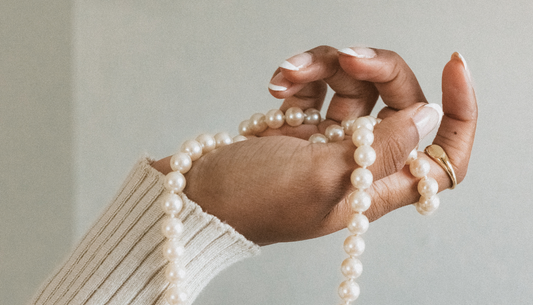
When cheap metals make your skin itch, natural pearl jewelry is a gentler option. The smooth surface of natural pearls lets you enjoy shine without big, skin-touching plates or bulky alloy backs.
For comfort, choose pieces where the pearl is the main focus. The setting should be simple and skin-safe. Opt for solid sterling silver or authentic 18K gold instead of thin plating.
Natural pearls and non-dyed pearls: reducing exposure to extra coatings
If your skin flares easily, check the finishes. Natural pearls and non-dyed pearls mean fewer treatments, which can be less irritating.
Ask if there are no artificial pearl coatings. Look for heavy lacquers or strong surface shine that might indicate extra layers. A clean, honest finish often looks softer, not plastic-bright.
Authentic baroque pearl jewellery, keshi pearls and irregular pearl forms
Not every pearl is perfectly round, and that's the charm. Authentic baroque pearl jewelry and baroque pearl jewelry celebrate curves, ripples, and unique shapes. They feel more personal than factory-perfect beads.
Keshi pearls are also loved for their irregular forms. They can look light, modern, and a bit arty, yet classic.
Organic beauty and timeless individuality: styling pearls for everyday wear
Pearls aren't just for weddings or formal nights. A short strand layered with a fine chain, simple studs, or a single drop pendant can add organic beauty without looking overdone.
- Keep metal contact low with smaller hooks, posts, or settings that sit neatly.
- Mix textures by pairing pearls with linen, denim, or knitwear for timeless individuality.
- Choose easy pieces that you can take on and off fast if your skin feels warm or sweaty.
Why Venus Artisan Jewelry focuses on skin-safe jewellery made for everyday wear
Venus Artisan Jewelry started with a simple goal: to stop the itch from mass-produced jewelry. If you've had a rash from a ring or necklace, it's not just sensitive skin. They focus on skin-safe jewelry for comfort, so you can wear your favorites without worry.
Venus Artisan Jewelry uses pure materials like sterling silver, 18K gold, and natural pearls. They avoid artificial coatings and harsh chemicals that can irritate skin. Plus, all their jewelry is nickel-free, which is important for those with nickel allergies.
Each piece is made for everyday wear, ensuring it fits well and lasts long. You'll notice the natural craftsmanship in the finishes and the unique touch of irregular pearls. It's all handcrafted by skilled artisans, focusing on comfort and detail.
This approach also supports sustainable beauty. Venus Artisan Jewelry has a precious metal recycling program. It helps keep valuable materials in use, not wasted. For Australian shoppers, it's a way to care for your skin and choose pieces you'll love for years.
FAQ
Why does cheap, mass-produced jewellery make my skin itchy and red?
Cheap jewellery can cause contact dermatitis. This shows up as an itchy, red rash where the jewellery touches your skin. It's often due to base metals like nickel. Wear and tear can also expose reactive alloys. Sometimes, artificial coatings, chemical treatments, or heavy glue in mass-produced jewellery can also cause irritation.
Is a jewellery rash contagious or dangerous?
Usually, no. A jewellery-related rash is not contagious and not life-threatening. But it can be very uncomfortable. It can also linger and may become infected if the skin breaks from scratching or stays moist.
What is contact dermatitis from jewellery?
Contact dermatitis is an allergic skin reaction. It happens when your skin touches a trigger, like certain metals in jewellery or piercings. The hallmark is a localised red, itchy rash that forms in the contact area. It can flare again with repeated exposure.
Why is nickel allergy so common with cheap jewellery?
A: Nickel is widely used as a low-cost base metal or mixed into alloys to keep prices down. It’s also considered the most common metal allergy worldwide. That's why “nickel-free” labelling exists and why jewelry for sensitive skin often focuses on nickel-free metals.
Can a nickel allergy develop later in life?
Yes. It often takes repeated or prolonged exposure before your body becomes sensitised. Once sensitised, your immune system can keep reacting whenever nickel shows up again, even with short wear times.
What’s happening in my body during a metal allergy?
In a nickel allergy, your immune system mistakenly treats nickel as harmful—similar to how it responds to toxins. That mix-up triggers inflammation, leading to itch, redness, and ongoing irritation at the contact site.
Why do symptoms often start 24–48 hours after wearing the jewellery?
Jewellery allergy symptoms often begin 24–48 hours after exposure, though some people react within minutes and others take longer. Once it starts, the rash may last 2–4 weeks, even after you stop wearing the item.
Why do sweat, heat, and moisture make cheap jewellery skin irritation worse?
Moisture from sweating, showers, or humidity can increase skin permeability and keep metal in close contact with your skin. That wet environment can intensify skin irritation from cheap jewellery and worsen inflammation, specially under rings, earrings, and necklace lines.
Who is more likely to get a jewellery allergy?
Risk increases with frequent occupational exposure to metals (specialy wet metals), a family history of metal sensitivity, and being female due to higher average exposure from piercings. People who wear jewellery daily are also more likely to become sensitised over time.
Why are piercings sometimes worse than a rash under a necklace or ring?
Piercings can react more strongly because the metal sits through the skin, not just against it. That direct contact inside the piercing can amplify inflammation and make reactions feel more intense or take longer to calm down.
What are the typical symptoms of a jewellery allergy?
The core symptom set is itching/irritation, redness, tenderness, swelling, and warmth at the exposure site. Some people also notice dryness and flaking as the skin barrier breaks down.
How can I tell if it’s a jewellery allergy and not “just sensitive skin”?
A jewellery allergy usually creates a clear “map” that matches the piece: a ring-shaped line, a necklace line, or a specific earring spot. That sharp, localised pattern is a strong clue that a specific metal or treatment is triggering contact dermatitis.
Can a jewellery allergy look like poison ivy or a burn?
Yes. The rash can resemble poison ivy, and in more severe cases you may see bumps, blisters, draining fluid, or dry patches that look like a burn. The more your skin is irritated or scratched, the longer it can take to settle.
When should I worry about infection and see a dermatologist?
Seek medical care if the rash becomes crusted, looks yellow, weeps, or smells odd. Infection is more likely when the skin stays moist or becomes raw from scratching, and infected rashes typically won’t improve until treated.
Why do cheap jewellery brands use base metals like nickel, copper, and brass?
A: Base metals help keep costs low in mass-produced pieces, but they can be more reactive on skin. Nickel is a common culprit, while copper can irritate some wearers. Brass (copper + zinc) can also trigger reactions and may cause green skin discolouration, a clue that brass is present.
Can stainless steel, even if it's hypoallergenic, cause a reaction?
Sometimes. Stainless steel can contain trace nickel and iron. Many people tolerate it well, but hypersensitive wearers may react, which is why “nickel-free stainless steel” and surgical-grade stainless steel are often preferred for skin-safe jewelry.
Is rose gold safe if I’m sensitive to metals?
Not always. Rose gold is a gold + copper alloy, so if you’re allergic to copper you may react to rose gold. Some people tolerate certain alloys better than pure copper exposure, but it’s worth paying attention to patterns in your flare-ups.
Why doesn’t plated jewellery protect me from reactions?
Plating is often a thin layer of gold or silver over reactive alloys like copper or brass. With everyday friction and wear, that plating can thin or chip, exposing the underlying metal—so “coated” doesn’t automatically mean hypoallergenic jewelry or skin-safe.
Can gold jewellery, even if it's pure, cause irritation?
Yes. People can react to any metal, even gold, though it’s less common than nickel allergy. Lower-karat gold contains more added metals for strength, which can increase the chance of irritation depending on what’s in the alloy.
Why can white gold be a problem for nickel-sensitive skin?
A: White gold is often alloyed with nickel or other white metals to achieve its colour and hardness. That mixed-metal makeup can be a hidden trigger for people managing a nickel allergy or repeated cheap jewelry skin irritation.
Can non-metal factors in jewellery make irritation worse?
Yes. Beyond metal content, artificial coatings, chemical treatments, and heavy glue used in mass production can aggravate already inflamed skin—specially with sweat, moisture, and friction. For reactive wearers, pure materials and minimal treatments are often better tolerated.
What does “hypoallergenic jewellery” actually mean?
“Hypoallergenic” generally means a lower likelihood of triggering contact dermatitis, especialy for people already sensitised to nickel through repeated exposure. It’s smart to check metal content documentation where available—specially for piercings and items worn all day.
What nickel-free precious metal jewellery options should I look for in Australia?
Common options include sterling silver, 18K gold, titanium, platinum, nickel-free stainless steel, and surgical-grade stainless steel. Keep in mind that standard stainless steel can contain trace nickel, which may trigger hypersensitive wearers.
Why is solid sterling silver jewellery often better than plated pieces for everyday wear?
With solid sterling silver jewelry, you’re not relying on a thin surface layer to keep base metals away from your skin. For many people, handcrafted sterling silver jewelry also has fewer harsh finishes, which can help reduce flare-ups linked to plating wear and unknown alloys.
Is genuine 18K gold a good choice for everyday jewellery?
A: Genuine 18K gold is often better tolerated because it has higher gold content than lower-karat options, meaning less room for added alloy metals. It’s also mixed with other metals for hardness, so if you’re sensitive, check that the alloy doesn’t include nickel or other known triggers—specially for 18k gold everyday jewelry worn daily.
What does karat mean, and which karat is safer for sensitive skin?
Karat measures gold purity. In general, higher karat means less alloy content. Many sources suggest choosing 14K or higher to reduce risk, while remembering that any metal can theoretically trigger an allergy in some people.
What should I do first when I get a rash from jewellery?
Remove the suspected piece and stop wearing it. Then monitor whether symptoms settle—this is the simplest first step to confirm the likely trigger and to give your skin barrier a chance to recover.
How can I confirm which piece is causing the reaction?
Once the rash fully clears, wearing the same item again may reproduce symptoms, which suggests an allergy to a metal or treatment in that piece. This “re-challenge” can be uncomfortable, so people with strong reactions may prefer guidance from a GP or dermatologist.
What over-the-counter treatments help calm jewellery contact dermatitis?
A topical steroid cream such as OTC cortisone can reduce inflammation. Barrier repair also helps, so use soothing moisturisers like calamine lotion, petroleum jelly, or mineral oil to support healing and ease itch.
What can I do for blisters or intense itching?
Use a wet compress. Soak a clean cloth in tap water and hold it against the area to soothe the skin and reduce discomfort. This can be specially helpful when blisters or weeping patches make the area feel hot and tight.
What should I avoid putting on the rash?
Be cautious with some over-the-counter antibiotic ointments—neomycin can worsen reactions for some people. If you’re unsure, stick with anti-inflammatory care, gentle moisturising, and medical advice if symptoms persist.
What if the rash doesn’t improve with basic care?
If it doesn’t settle on its own or with over-the-counter anti-inflammatory support, see a dermatologist. Depending on severity, treatment may include prescription corticosteroid creams, nonsteroidal creams, oral corticosteroids, or an oral antihistamine. In stubborn cases, phototherapy may be recommended under medical supervision.
Is natural pearl jewellery a good option for sensitive skin?
It can be. Natural pearl jewelry can offer a gentler look because the pearl surface can reduce reliance on reactive base metals sitting flush against skin. Comfort depends on the setting, so pairing pearls with nickel-free precious metal jewelry is key.
Why choose non-dyed pearls and avoid artificial pearl coatings?
If your skin is reactive, reducing extra variables helps. Choosing non-dyed pearls, natural pearls, and designs with no artificial pearl coatings can limit exposure to added finishes that may contribute to irritation, specially in heat and sweat.
What are baroque pearls and keshi pearls, and why are they popular?
A: Authentic baroque pearl jewelry features naturally irregular pearls with character and depth. Keshi pearls are also known for their organic shapes and lustre. These irregular pearl forms celebrate organic beauty, with each piece feeling distinct, not factory-uniform.
Can I wear pearls every day, not just to events?
Yes. Pearls can be styled for daily life with layered necklaces, simple pearl studs, or a single pearl pendant. The key is choosing settings in sterling silver or authentic 18K gold so your natural pearl jewelry remains comfortable for everyday wear and supports timeless individuality.
What makes Venus Artisan Jewelry a good option for jewellery for sensitive skin?
A: Venus Artisan Jewelry was born from a personal pursuit of skin-safe and lasting elegance for people tired of the itch linked to mass-produced fashion jewelry. The range focuses on hypoallergenic jewelry made for everyday wear, using sterling silver, authentic 18K gold, and naturally irregular pearls, while avoiding artificial coatings and chemical treatments that can trigger irritation.
Is Venus Artisan Jewelry plated, or is it solid precious metal?
Venus Artisan Jewelry is designed around pure materials—including solid sterling silver jewelry and genuine 18K gold—so you’re not relying on plating as a barrier. That approach supports long-term comfort for sensitive skin and better wear over time.
Are Venus Artisan Jewelry pieces handcrafted?
Yes. The collection is handcrafted by skilled artisans, with a focus on natural craftsmanship and wearable comfort. That artisan approach supports quality, reduces unnecessary treatments, and suits people seeking refined, skin-safe jewelry in Australia.
Does Venus Artisan Jewelry support sustainable fine jewelry?
Yes. Venus Artisan Jewelry supports sustainable fine jewelry through a precious metal recycling program and a commitment to sustainable beauty. The idea is simple: choose long-lasting, better-wearing materials instead of disposable pieces that can trigger irritation and wear out quickly.